Various / DIY Generic Pinhole
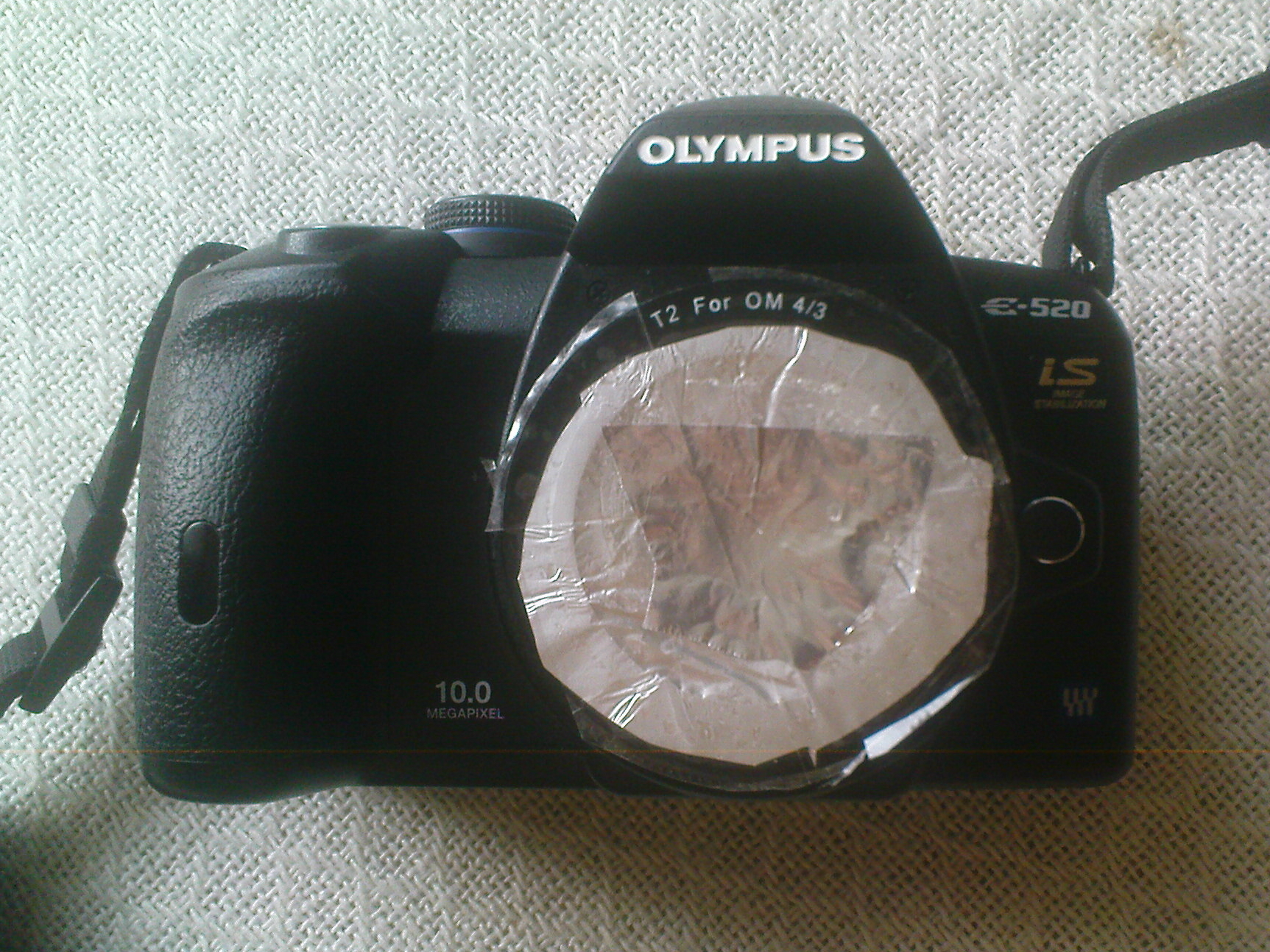
Generic Pinhole designates the broad category of lensless image-formation devices — a small aperture (typically 0.2-0.5 mm) drilled or laser-cut in metal foil or plate, mounted to a camera body in place of a conventional lens. There is no glass element; image formation is purely geometric. Photographers either DIY pinholes from soda-can metal or buy commercial precision-machined pinholes.
Key features
- No optical element — no glass, no curvature; pure aperture
- Effective aperture typically f/100 to f/500 depending on hole-size to focal-length ratio
- No focusing required — infinite depth of field (everything sharp)
- No diffraction limit comparison to conventional lenses — pinholes are diffraction-dominated by design
- Mount-agnostic — adapter plates can fit any camera body or large-format lens board
- Long exposures — typical scenes need seconds to minutes at modest ISO
Use case + rendering
Pinhole produces soft, dreamlike rendering with infinite depth of field. Sharpness is fundamentally limited by the aperture diameter and the diffraction it causes — there is an optimal pinhole diameter for each focal length (Lord Rayleigh's formula: d ≈ 1.9√(fλ)) and deviations from this optimum produce softer images. The aesthetic is part of the appeal: soft, ethereal, often evocative of pre-photographic camera-obscura imagery.
Common applications: alternative-process prints (gum-bichromate, cyanotype, salt prints), large-format pinhole cameras for landscape, classroom teaching of optical first principles.
Compatible bodies
- Any camera body with a removable lens (35mm SLR via body-cap with hole, large-format via lens board, mirrorless via adapter)
- Custom-built dedicated pinhole cameras (wood + plate)
Related lenses
- Generic Zone Plate — diffractive alternative
- Wanderlust Pinwide — commercial Micro Four Thirds pinhole
- Finney Turret — multi-aperture pinhole/zone-plate turret