History and Overview
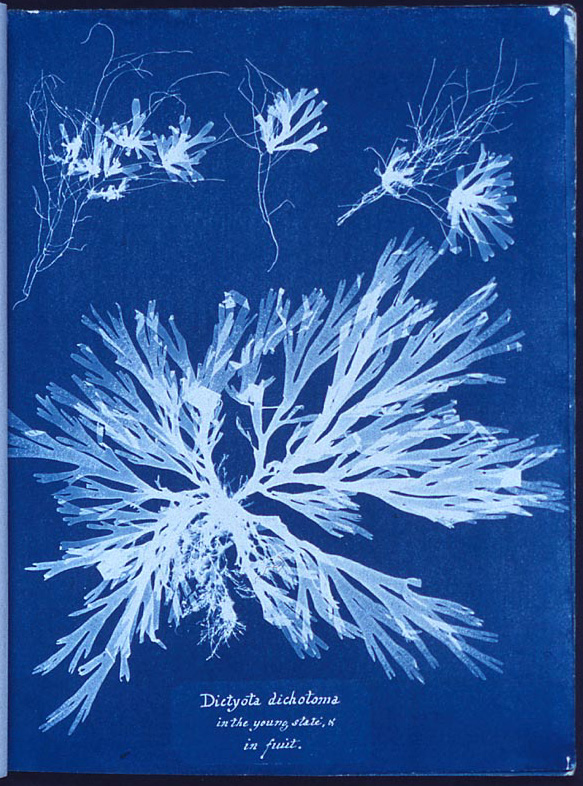
Cyanotype is one of the oldest photographic processes, invented by Sir John Herschel in 1842. It uses iron salts (ferric ammonium citrate and potassium ferricyanide) that are sensitive to ultraviolet light. After coating paper with the sensitizer, placing a negative in contact, and exposing to UV light (sunlight or a UV lamp), the exposed areas turn the characteristic deep Prussian blue. Unexposed areas wash away in plain water, leaving a blue-and-white image.
Materials and Preparation
You need two chemicals: Solution A (ferric ammonium citrate, ~25% in water) and Solution B (potassium ferricyanide, ~10% in water). Mix equal parts of A and B under subdued tungsten light (the mixture is UV-sensitive). Coat watercolor paper or fabric with a brush or foam roller, and allow it to dry in a dark area. The coated surface will appear yellow-green when dry and ready for exposure.
Making a Cyanotype Print
Create a digital negative the same size as your intended print (cyanotype is a contact printing process). Print the negative onto transparency film using an inkjet printer. Place the negative on the coated paper in a contact printing frame, and expose to UV light. Exposure times vary: 5-15 minutes in bright midday sun, 15-30 minutes on an overcast day, or follow test strips. The image will appear during exposure as the blue color develops.
Development and Finishing
After exposure, rinse the print in running water for 5-10 minutes. The unexposed sensitizer washes away, leaving the blue image on a white background. The print will initially appear lighter than the final result; it darkens (and shifts to a deeper blue) as it oxidizes over the next 24 hours. To accelerate this, you can add a small amount of hydrogen peroxide to the rinse water.
Toning and Variations
Cyanotypes can be toned using tea, coffee, or tannic acid to shift the blue toward brown, purple, or black tones. Bleaching with washing soda (sodium carbonate) can partially or fully remove the blue for re-toning or multi-layer effects. The cyanotype process is forgiving, inexpensive, and non-toxic (though you should still avoid ingesting chemicals), making it an excellent entry point into alternative photographic processes.
